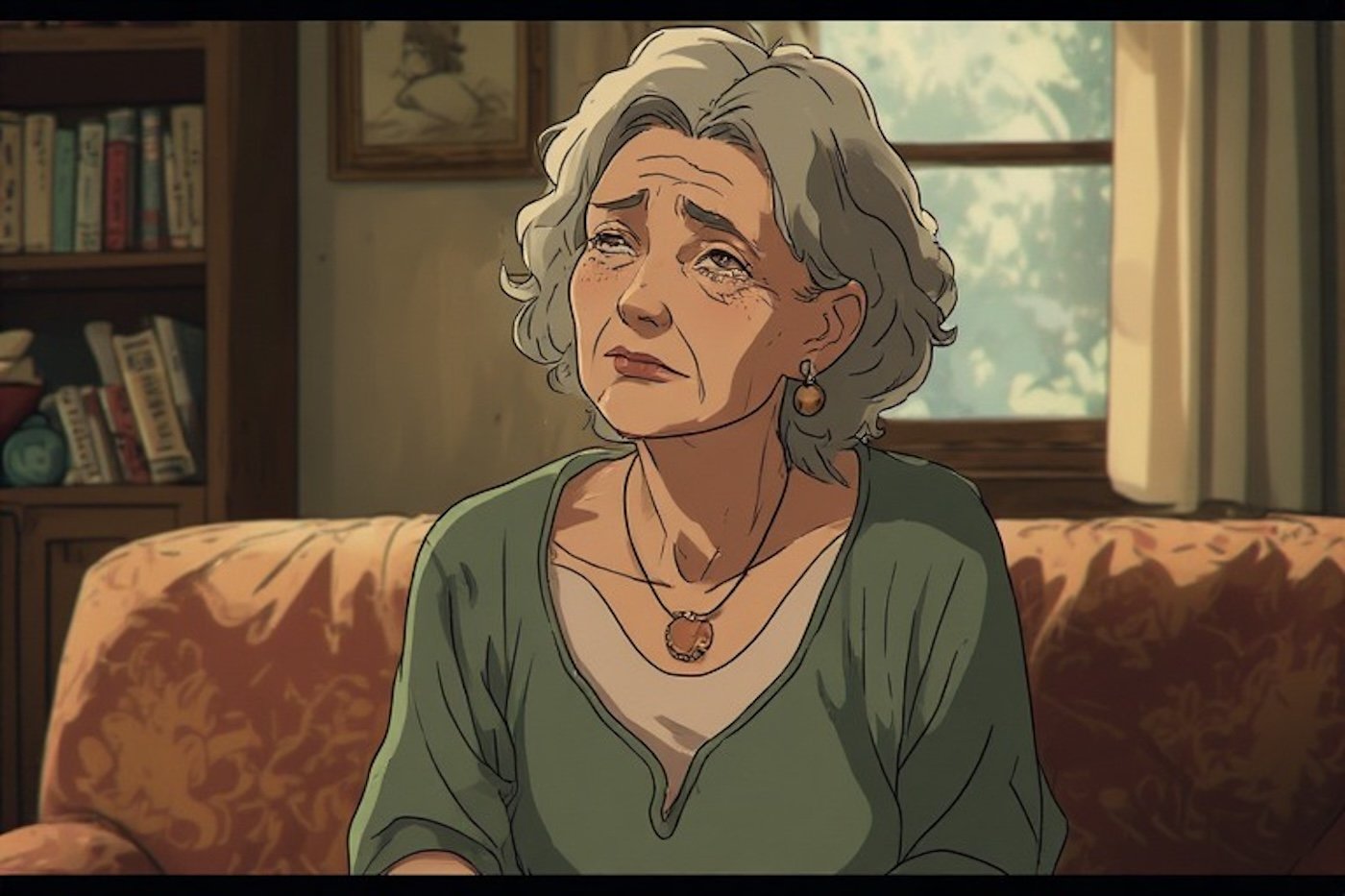
Acupuncture Helps Process Grief When the Body Is Still Carrying the Loss
Grief does not live only in the mind. It settles into the chest, tightens the breath, weakens digestion, and quietly reshapes immunity over time. In Chinese medicine, sorrow is closely tied to the Lung system, which governs respiration, immune resilience, and the ability to let go. Acupuncture Helps Process Grief by supporting this physiological network rather than asking patients to “move on” before the body is ready.
Definition: In Chinese medicine, grief is understood as a prolonged depletion or constriction of Lung Qi, affecting breathing, immunity, skin, and the body’s capacity to adapt to change.
This framework resonates with modern research showing that unresolved grief is associated with inflammation, immune suppression, sleep disruption, and digestive instability. When patients say, “I feel like something is stuck in my chest,” they are often describing exactly what we see clinically.
⸻
Why Grief Shows Up as Shortness of Breath, Fatigue, and Weakened Immunity
The Lungs in Chinese medicine are not only about breathing. They regulate the rhythm of life, setting the pace for circulation, immunity, and emotional processing. When loss occurs, especially sudden or layered loss, Lung Qi can become constrained or depleted.
Clinically, this may look like frequent colds, lingering coughs, shallow breathing, skin issues, or a sense of heaviness in the chest. Digestion often suffers as well, since the Lungs and digestive organs work closely together. Patients may notice bloating, appetite changes, or gut sensitivity following bereavement or major life transitions.
From a biomedical lens, chronic grief correlates with elevated stress hormones and inflammatory markers. Acupuncture offers a gentle way to regulate these responses without forcing emotional catharsis. Acupuncture Helps Process Grief by giving the nervous system space to recalibrate rather than override.
⸻
Case Study One: Grief After Loss Showing Up as Recurrent Illness
A 52-year-old woman sought care after losing her sister the previous year. Emotionally, she described herself as “functional.” Physically, she was catching every virus that passed through her office.
Treatment focused on supporting Lung Qi, strengthening immunity, and regulating the autonomic nervous system. Within six weeks, her susceptibility to illness decreased, her breathing felt fuller, and she noticed emotional waves passing more easily instead of lingering.
She did not come in to talk about grief. Her body did that work on its own.
⸻
Case Study Two: Digestive Changes After Divorce and Relocation
A 38-year-old man presented with bloating, irregular bowel movements, and fatigue following a divorce and cross-country move. He denied feeling sad, but admitted to feeling “dislodged.”
In Chinese medicine, unprocessed grief often spills into digestion through disrupted Lung and Spleen coordination. Acupuncture treatments emphasized grounding, gut health, and breath regulation.
As digestion stabilized, emotional clarity followed. He later remarked that the treatments helped him feel “back inside his body again.” Acupuncture Helps Process Grief even when it wears the disguise of gastrointestinal distress.
⸻
Case Study Three: Long-Term Sorrow and Chronic Inflammation
A 67-year-old patient with inflammatory joint pain reported losing multiple close friends over several years. She described a sense of cumulative loss rather than acute mourning.
Her care plan addressed inflammation, immune modulation, and Lung support. Over three months, joint pain softened, sleep improved, and her breathing deepened noticeably. She said the grief had not disappeared, but it no longer felt corrosive.
This is often the goal. Not erasing loss, but helping the body metabolize it.
⸻
What Patients Can Expect From Acupuncture During Times of Transition
Acupuncture does not require you to relive memories or explain your grief eloquently. Treatments work by regulating breath, circulation, and nervous system tone. Many patients report a sense of quiet release or physical ease that words never quite reached.
Sessions are typically calming. Some people feel emotional afterward, others simply sleep better or breathe more deeply. All of these responses are normal. Acupuncture Helps Process Grief at the pace the body chooses, not the calendar demands.
⸻
Ready to Support Your Body Through Loss and Change
If you are navigating grief, loss, or a major life transition and noticing physical symptoms such as fatigue, digestive changes, lowered immunity, or persistent tension, acupuncture may offer meaningful support.
Next Steps:
• Schedule an initial consultation
• Ask about treatments focused on immunity, inflammation, and emotional regulation
• Explore how Chinese medicine approaches grief as a whole-body experience
About Raleigh Acupuncture Associates:
For over 20 years, Raleigh Acupuncture Associates has provided evidence-informed, patient-centered care rooted in classical Chinese medicine. We specialize in supporting complex emotional and physical patterns with clarity, compassion, and clinical depth.
Your body already knows how to grieve. Sometimes it just needs help finishing the sentence.
Book an Appointment
Schedule your acupuncture appointment online at Raleigh Acupuncture Associates.
Meet Our Practitioners
Get to know our licensed acupuncturists and their approach to patient care.
Conditions We Treat
Explore how acupuncture and dry needling can help with pain, injuries, and chronic conditions.
Focus Keyphrase: Acupuncture Helps Process Grief
Location: Raleigh, North Carolina
Image generated with: https://perchance.org/ai-text-to-image-generator
What our Clients are Saying
I was feeling depressed and stressed because I didn’t like my job and didn’t know what to do with my life. I started taking Lexipro but it really affected my libido so I stopped taking it. I tried acupuncture because my husband said it helped him when he was depressed years earlier (before he met me!) I went to Raleigh Acupuncture and started treatments. They were really knowledgeable about Chinese medicine and explained how the body gets stuck in depression, and how the acupuncture gets the body unstuck. They really listened to me and helped me figure stuff out. I started feeling less depressed. Then I actually started getting more clear about what I wanted to do with my life career-wise. I decided to go back to school and now I’m almost done with my degree. I haven’t felt depressed at all since I was treated and I’m really excited about my life. I’m very grateful to them for being such great healers and such a great support to me when I really needed it.
I had very severe depression after my son was born. The doctors put me on medication, which helped, but I still had no motivation and felt very sad. I tried acupuncture and it really improved my mood. I would say that within four weeks of starting treatment I was no longer depressed. My motivation returned, I was able to get out of bed in the morning ready to go, and I started enjoying my son for the first time. I think the combination of medications and acupuncture worked great for me. I appreciate the caring and skill at Raleigh Acupuncture and recommend them highly for treating depression.