If you’ve ever cracked open a classical Chinese medical text and wondered whether you were reading timeless wisdom or the world’s oldest metaphorical inside joke, you’re not alone. Decoding Chinese Medicine texts has become something of a sport among practitioners who simultaneously love the poetry and resent the riddles. Yet these ancient writings persist for a reason: beneath the dragons, dew drops, and qi metaphors lies a surprisingly practical guide to human health—one that continues to make sense, even in the age of wearable fitness trackers and oat milk lattes.
Why Ancient Medical Scrolls Still Matter
When patients ask why we still reference 2,000-year-old manuscripts, I remind them that people in 200 BCE had many of the same complaints: stress, digestive chaos, stubborn insomnia, and relationships that could probably benefit from a referee. The context has changed, but the body hasn’t. And that’s why decoding Chinese Medicine texts is not an exercise in nostalgia—it’s a way of translating time-tested medical observations into a modern setting without losing their original brilliance (or their surprisingly sharp humor).
Let’s take a look at a few foundational classics and what they reveal about the ailments we’re still dealing with today.
The Huangdi Neijing: The Original Owner’s Manual for the Human Body
If the body came with a warranty booklet, the Huangdi Neijing would be it. Written around the 2nd century BCE, this text outlines the laws of nature, lifestyle, diet, and emotional balance with a level of clarity that makes you wonder whether Yellow Emperor-era physicians were secretly time travelers.
One of its most famous teachings is that overthinking injures the Spleen. Today we call this “lying awake at 3 a.m. replaying conversations you had in middle school,” but the diagnosis remains the same. The Neijing teaches that emotional excess—worry, anger, fear—creates physiological consequences. Neuroscientists now call this psychoneuroimmunology. Chinese medicine called it “Don’t upset your Liver qi.” Different vocabulary, same dysfunction.
The Neijing also warns against doing the opposite of what nature intends. Staying up too late? Eating cold foods in winter? Working through every lunch break since 2016? The Neijing gently recommends that we stop treating our bodies like interns. And frankly, it’s advice worth taking.
The Shang Han Lun: Ancient Wisdom for Modern Colds
Next up is the Shanghan Lun, a medical text from roughly 200 CE that continues to inspire herbalists worldwide. On the surface, it looks like a treatise on cold damage. In reality, it is a master class in pattern differentiation, also known as: “No, not all coughs are created equal.”
For example, the Shang Han Lun distinguishes between exterior and interior disorders, wind-cold versus wind-heat, and that delightful middle category where you feel both hot and cold, which is apparently the body’s way of saying, “I’m fine, everything’s fine, why are you asking?”
Herbal formulas from the Shang Han Lun—such as Gui Zhi Tang or Xiao Chai Hu Tang—are still used today because human immune responses haven’t evolved as quickly as our smartphones. If anything, our immune systems could use an upgrade. Until then, these classics continue to deliver results with a precision that feels almost unfair.
The Nanjing: Ninety-Two Questions, Zero Small Talk
The Nanjing, or “Classic of Difficult Issues,” lives up to its name. It’s a text composed entirely of questions, which means the author either loved critical thinking or was exceptionally good at Socratic annoyance.
Yet the Nanjing provides some of the clearest discussions of pulse diagnosis ever written. It explains why pulses change, what they mean, and why your acupuncturist sometimes looks concerned, delighted, and slightly confused within the span of a single wrist reading. The text emphasizes that pulse interpretation is not a parlor trick—it’s a nuanced conversation with the body.
Modern practitioners still rely on these principles because, despite medical technology advancing into near science fiction, there remains no machine capable of replacing the information a skilled practitioner can glean from a 20-second pulse check. (If one ever exists, acupuncturists everywhere will need a new party trick.)
Why We Keep Decoding Chinese Medicine Texts Today
Whether you’re reading the Neijing, the Shang Han Lun, or the Nanjing, one thing becomes clear: the ancients were paying extremely close attention. They wrote in metaphors because the human body is poetic whether we like it or not. And as inconvenient as it is, they were usually right.
This is why decoding Chinese Medicine texts remains vital for modern practitioners. We don’t cling to old wisdom out of sentimentality; we cling to it because, time after time, it proves clinically effective. The metaphors may need translation, but the medicine does not.
Ready to Bring Ancient Wisdom Into Your Modern Health Plan?
If you’re curious how these classical insights apply to your digestion, energy, sleep, or stress levels—and would prefer guidance that does not require reading a 2,000-year-old scroll—schedule an appointment at our clinic. We’ll translate the classics for you, minus the dragons. Learn more with this companion piece: Ancient Wisdom Meets Modern Optimization.
About Raleigh Acupuncture
At Raleigh Acupuncture Associates, we are committed to providing the highest quality, evidence-informed acupuncture with a strong foundation in compassion, integrity, and respect. Every patient is treated with dignity and individualized attention, regardless of background, beliefs, or personal history.
We welcome people from all walks of life and strive to create a warm, inclusive environment that supports healing and whole-person wellness. Our dedication to exceptional acupuncture care is paired with a genuine commitment to helping others feel better, move better, and live better. Here, professional expertise and thoughtful patient care come together to support your health and well-being.
Next Steps
BOOK NOW to schedule an appointment online.
Meet Our Practitioners (Video).
Learn about all the conditions we treat.
Focus Keyphrase: Decoding Chinese Medicine Texts
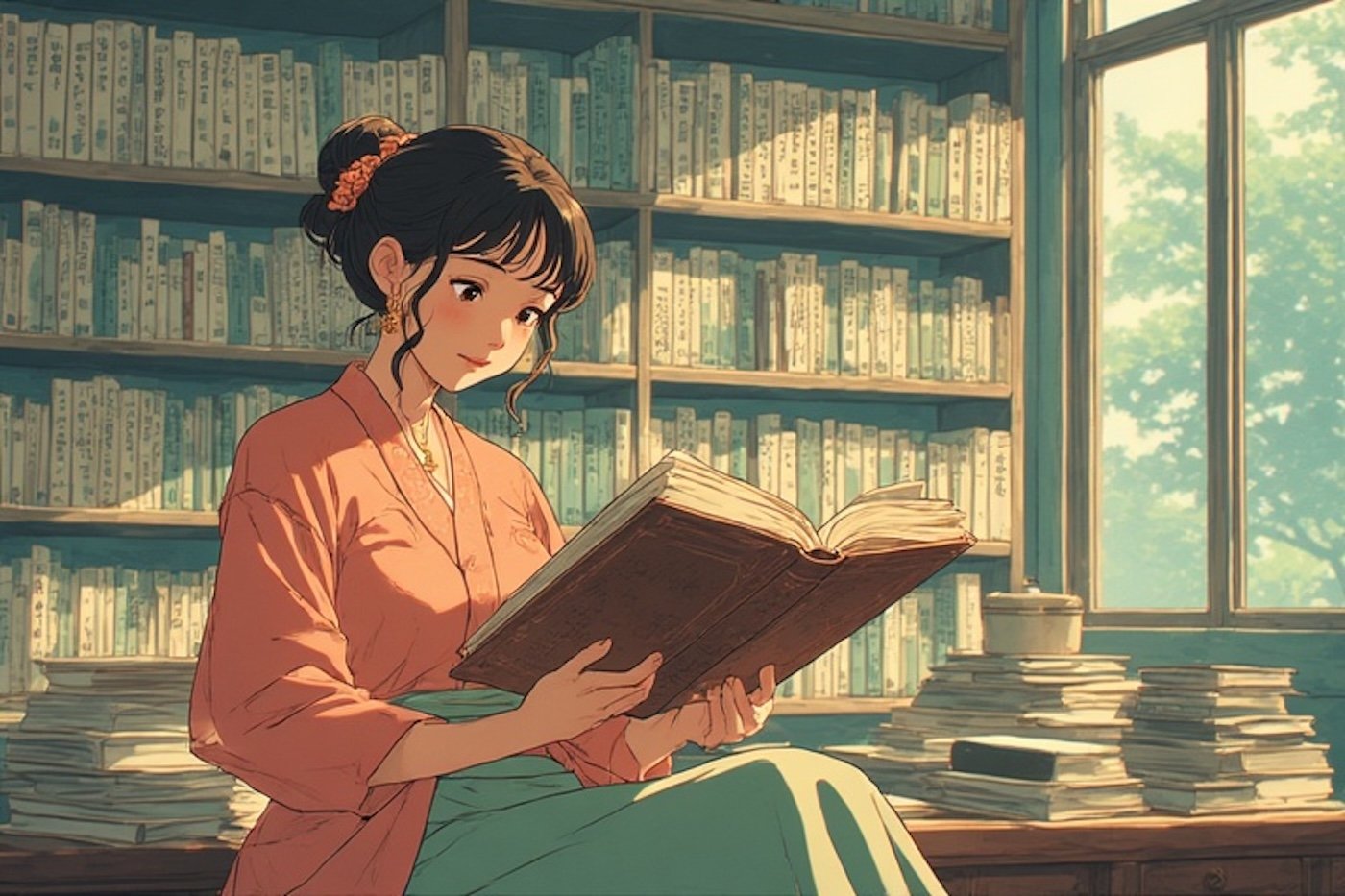
Image generated with https://perchance.org/ai-text-to-image-generator