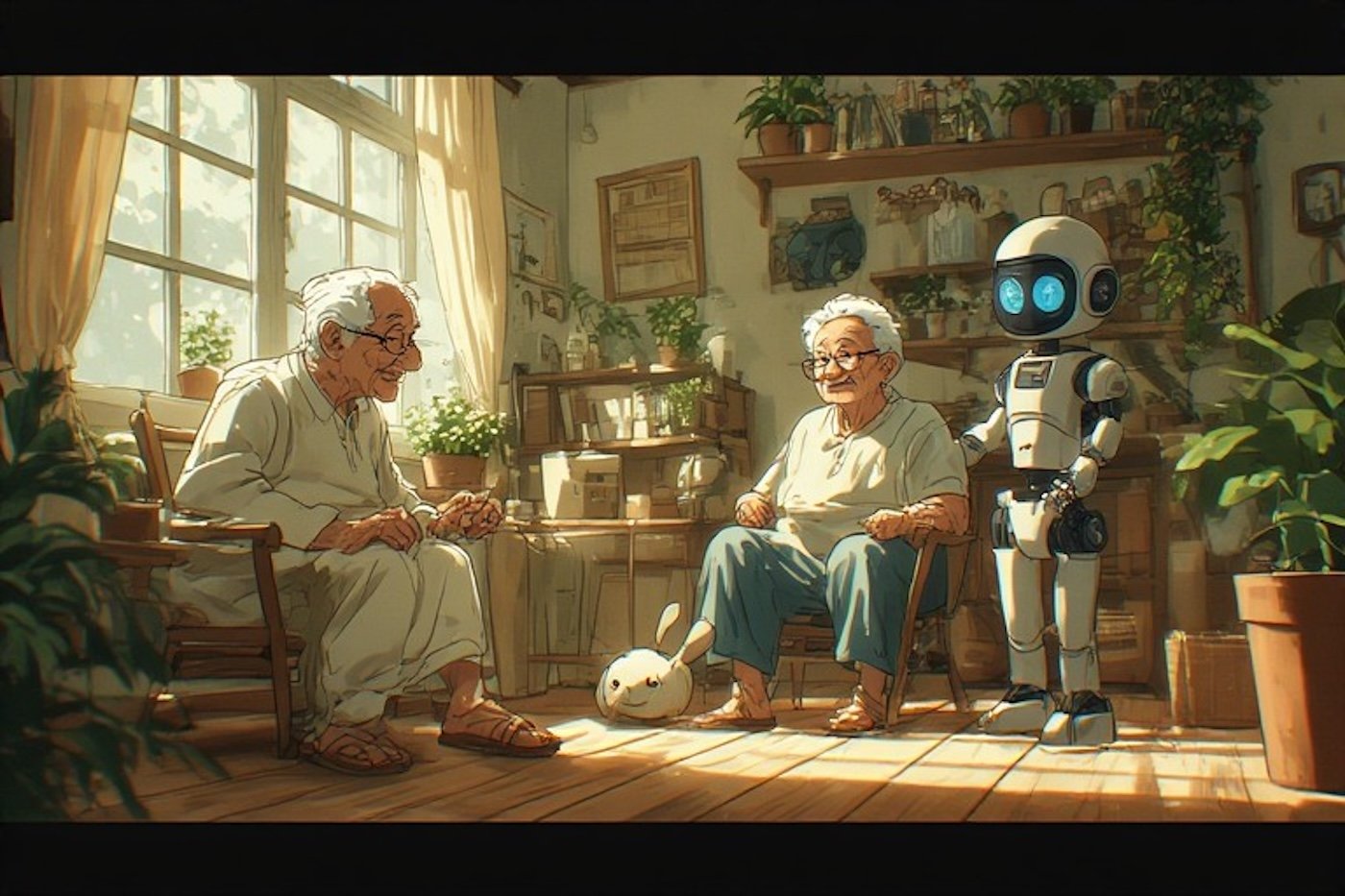
Robots, Aging, and Staying Put
For most people, “aging in place” is less a lifestyle preference and more a stubborn declaration. We like our houses. We know where the light switches are. The coffee mugs are exactly where they should be. The idea that future technology might allow older adults to remain at home longer, with help from machines rather than moving into institutional care, no longer sounds like science fiction. It sounds like logistics.
Enter the emerging reality of robot assisted elder care. While today’s robots are better at vacuuming than conversation, the trajectory is clear. Machines are getting stronger, cheaper, and oddly polite. In the coming decades, they may handle an increasing share of daily support tasks that currently require human caregivers—or expensive facilities.
This isn’t about replacing human connection. It’s about filling gaps where labor is scarce, costs are rising, and the math of aging simply isn’t working.
What Robots May Actually Do (No, Not Everything)
Let’s lower expectations just a bit. Early care robots will not offer wisdom, emotional insight, or meaningful opinions about politics. What they will do is far more practical.
Think mobility assistance, fall detection, medication reminders, lifting support, basic meal prep, and household tasks that quietly become harder with age. These are the daily friction points that push people out of their homes long before they actually want to leave.
Humanoid platforms like Tesla’s Optimus point toward robots capable of navigating stairs, carrying laundry, helping someone stand safely, or retrieving objects from the floor without dramatic sighing. Add in AI monitoring systems, voice interfaces, and remote clinician oversight, and you get a support structure that works continuously and doesn’t call in sick.
This is where robot assisted elder care becomes less about novelty and more about infrastructure.
What Would This Cost (In Today’s Dollars)?
Let’s talk numbers, because feelings don’t pay invoices.
Using today’s dollars and conservative assumptions, a future general-purpose care robot might look like this:
- Upfront hardware cost: $20,000–$30,000
- Monthly software, monitoring, and maintenance: $300–$600
- Annual operating cost: $4,000–$7,000
Over ten years, that’s roughly $60,000–$90,000 total.
Now compare that to current senior care costs:
- In-home human caregiver (part-time): $30,000–$45,000 per year
- Assisted living: $60,000–$80,000 per year
- Memory care: $90,000–$120,000 per year
Even with generous assumptions, the economic argument for robot assisted elder care becomes difficult to ignore. Robots don’t replace human care, but they may drastically reduce how much of it is required.
Why Staying Home Matters More Than We Admit
Aging isn’t just physical decline. It’s also cognitive, emotional, and deeply contextual. People function better in familiar environments. Memory, orientation, confidence, and independence all last longer when surroundings remain stable.
Institutions do many things well, but they are optimized for efficiency, not identity. A robot, oddly enough, may be better suited to preserving individuality because it adapts to the person rather than requiring the person to adapt to the system.
This is where robot assisted elder care quietly aligns with dignity. Not glamorous dignity. Practical dignity. The dignity of making your own tea at 9 p.m. and not asking permission.
The Real Obstacles (Hint: Not the Robots)
The biggest barriers aren’t technological. They’re regulatory, ethical, and cultural.
Who is liable if a robot makes a mistake?
How much monitoring is too much?
Will insurers pay for machines before they pay for people?
And of course, there’s the emotional resistance. We’re more comfortable imagining a human stranger helping with intimate tasks than a machine that doesn’t blink. That may change faster than we expect.
The irony is that many seniors already interact more with devices than caregivers. Phones remind them. Watches monitor them. Cars correct them. Robots are simply the next step, with arms.
So, Will This Really Happen?
Barring a sudden collapse of technological progress, yes. Slowly, unevenly, and with plenty of awkward early versions, robot assisted elder care is coming.
Not as a miracle. Not as a replacement for love or community. But as a tool that makes staying home longer not just possible, but realistic.
And if that means a future where your robot helps you up from a chair, reminds you to take your meds, and never once tells you it’s “policy,” that may be progress worth welcoming.
Even if it still can’t make decent coffee.
About Raleigh Acupuncture
At Raleigh Acupuncture Associates, we are committed to providing the highest quality, evidence-informed acupuncture with a strong foundation in compassion, integrity, and respect. Every patient is treated with dignity and individualized attention, regardless of background, beliefs, or personal history.
We welcome people from all walks of life and strive to create a warm, inclusive environment that supports healing and whole-person wellness. Our dedication to exceptional acupuncture care is paired with a genuine commitment to helping others feel better, move better, and live better. Here, professional expertise and thoughtful patient care come together to support your health and well-being.
Next Steps
BOOK NOW to schedule an appointment online.
Meet Our Practitioners (Video).
Learn about all the conditions we treat.
Focus Keyphrase: Robot Assisted Elder Care
Image generated with https://perchance.org/ai-text-to-image-generator